Loading…
Series
Decoded
What people abroad think, what’s actually true in Japan, how we got here, and how to encounter the real thing. One topic at a time.
Decoded
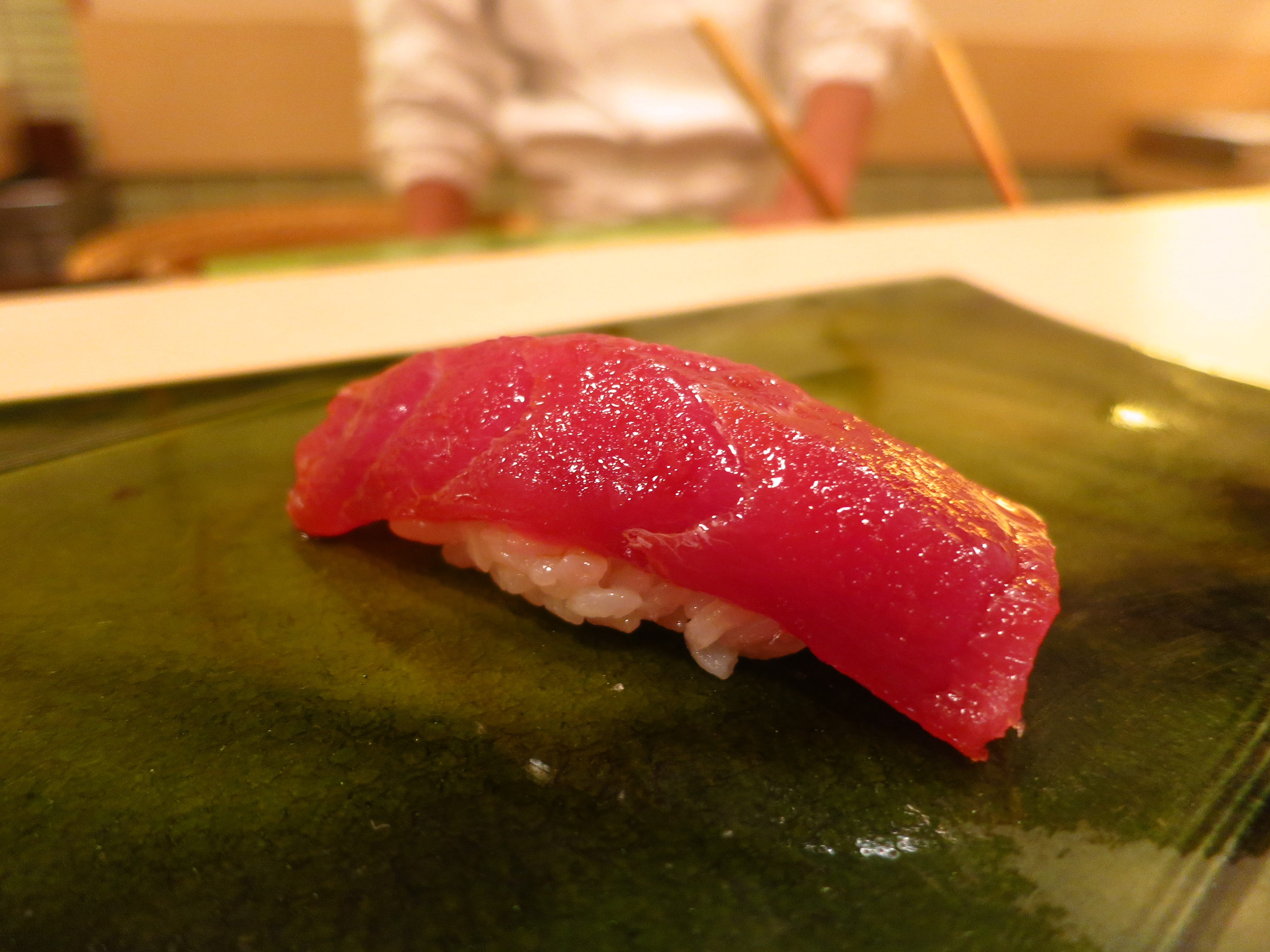
Sushi — the Japanese dish where the rice is the work, not the fish
Sushi is rice, not fish. The 200-year-old hand-pressed nigiri form is built around *shari* — vinegared rice the chef has been adjusting for hours.
Decoded
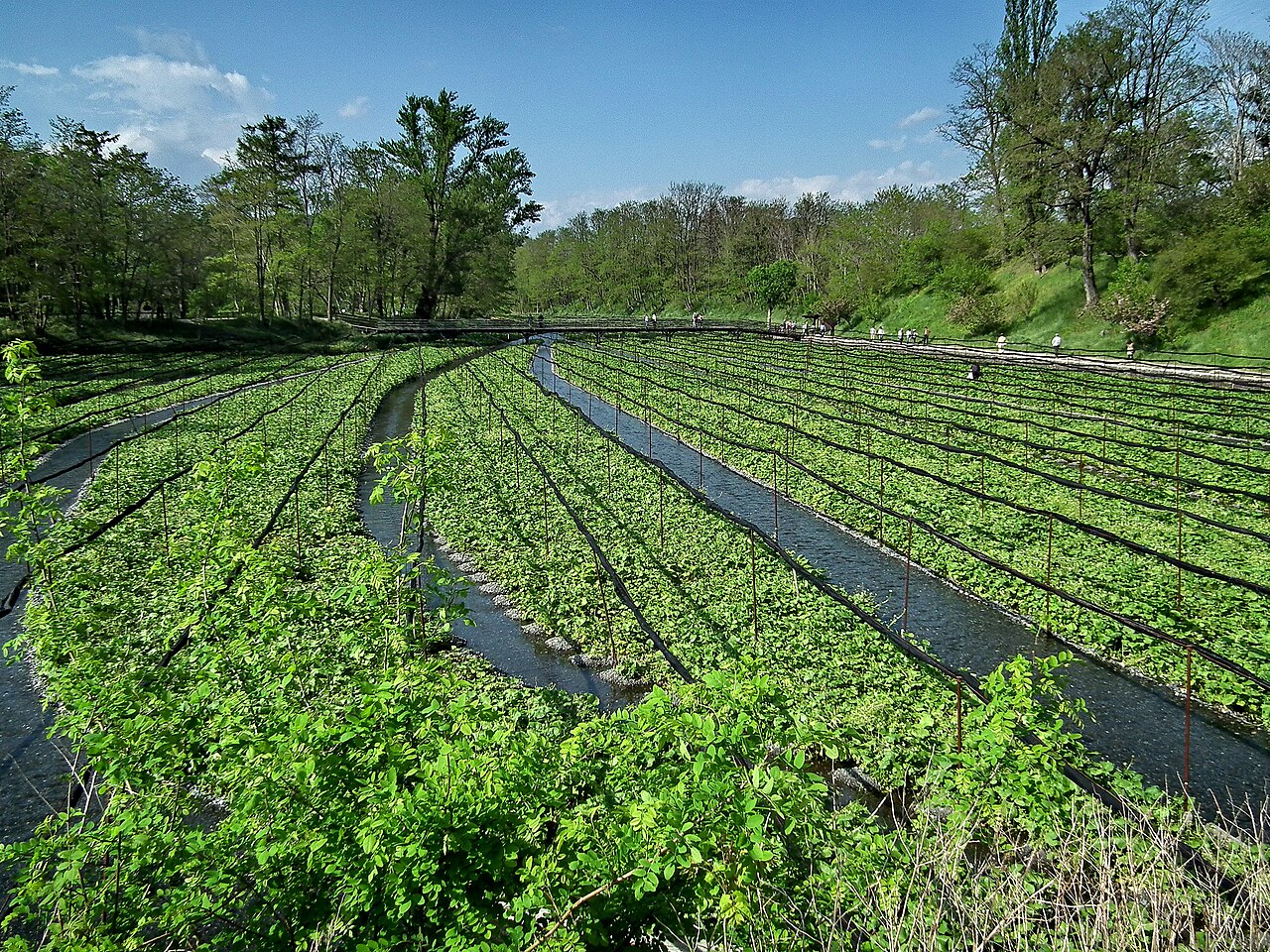
The green paste at your sushi isn't wasabi — it's dyed horseradish
The green dab on your sushi plate is, almost everywhere, dyed horseradish — not wasabi. Real wasabi is a different plant, grown in cold spring water, and tastes like a different flavor altogether.
Decoded
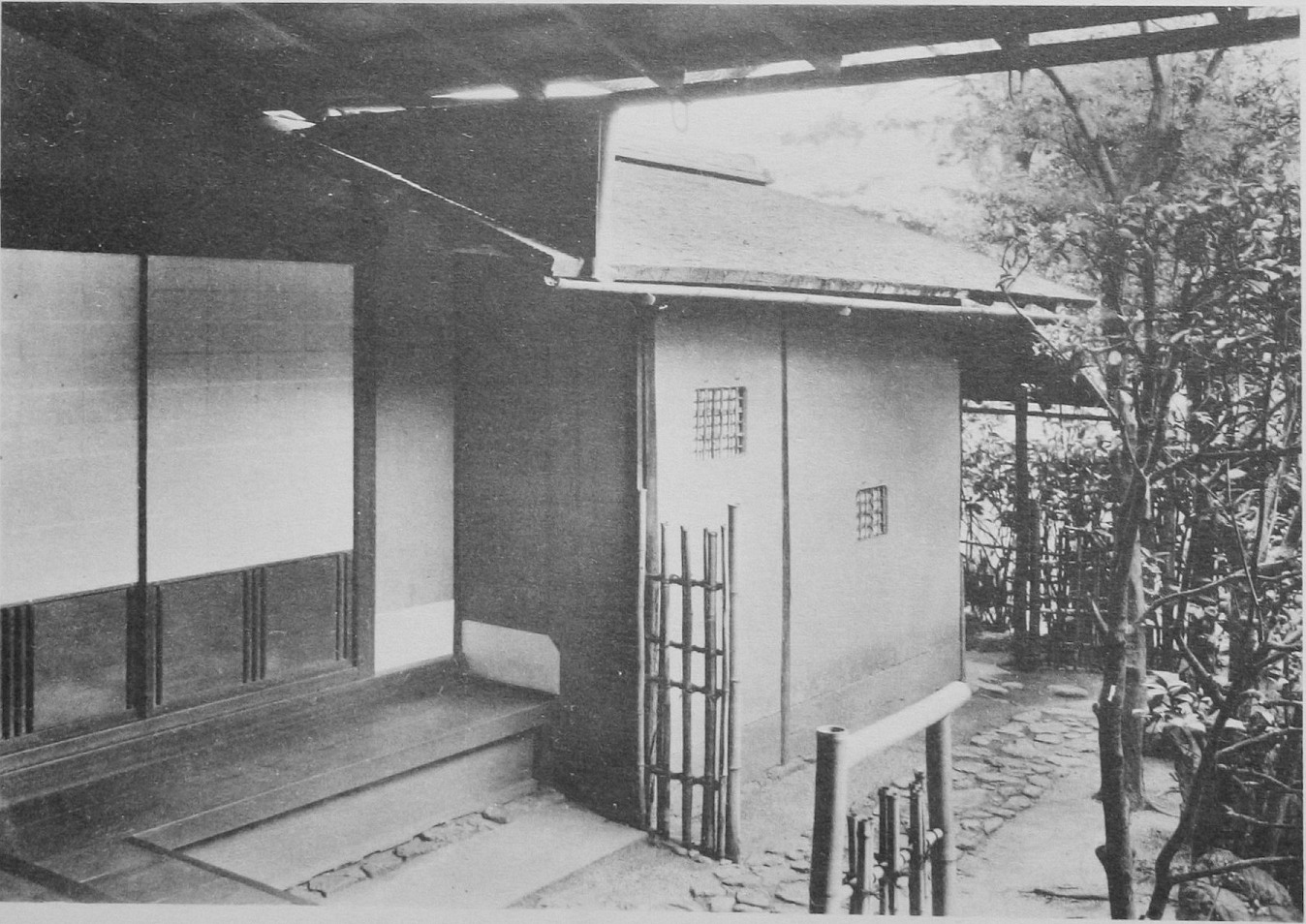
Wabi-Sabi — the Bobby Hill rose your TikTok feed went viral over, and the two-mat tea room it was actually named for
Your TikTok 'it's got wabi-sabi' trend traces to a 2002 cartoon. The thing it borrowed the name from is a tea-room aesthetic forged by a man Hideyoshi later forced to commit seppuku.
Decoded
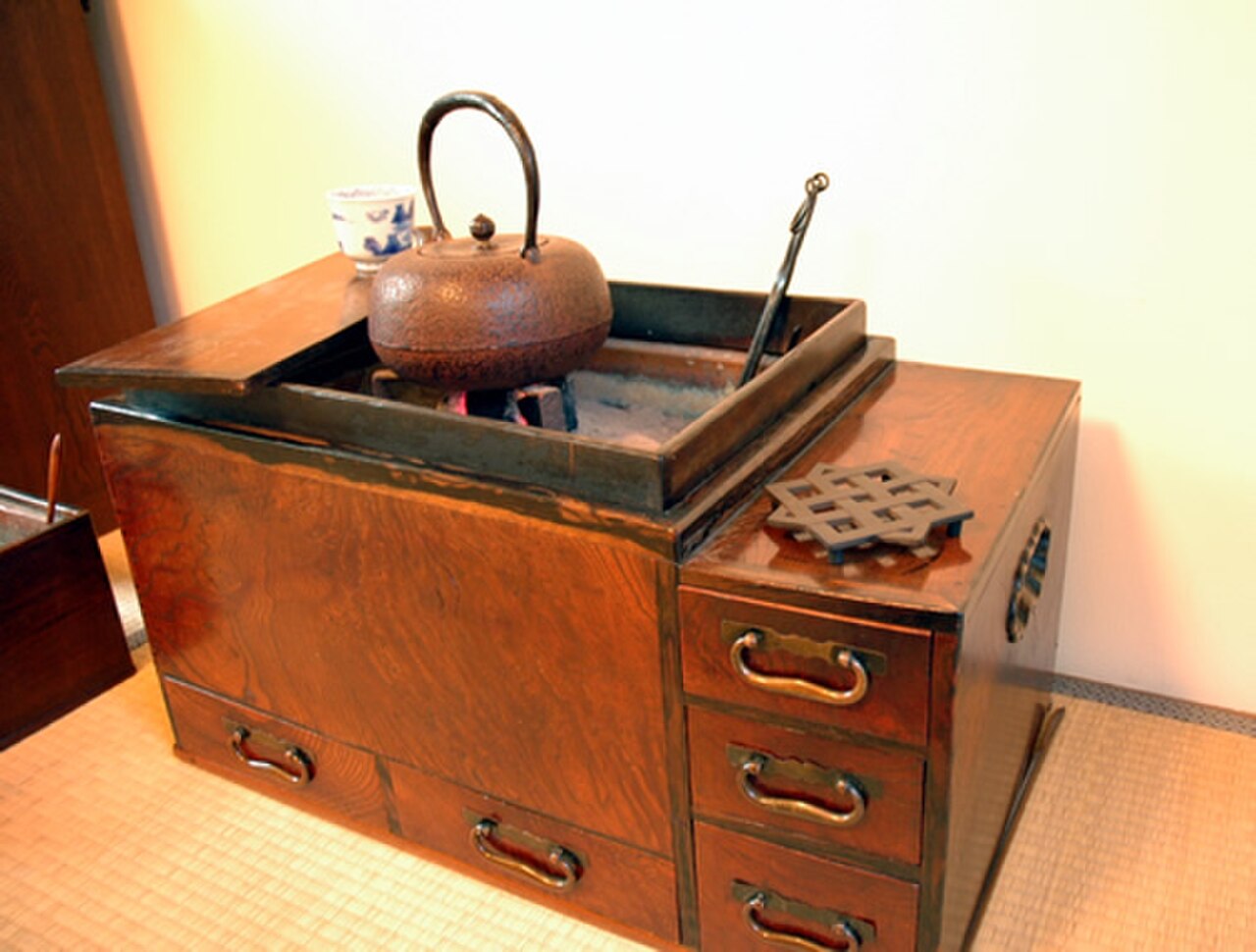
Hibachi — the American 'hibachi' restaurant has nothing to do with what 火鉢 means in Japan
An American 'Hibachi' dinner is a flat-grill steakhouse show. A Japanese 火鉢 is a small charcoal brazier in the corner of a room. Same name, completely different things — here's what each one actually is.
Decoded
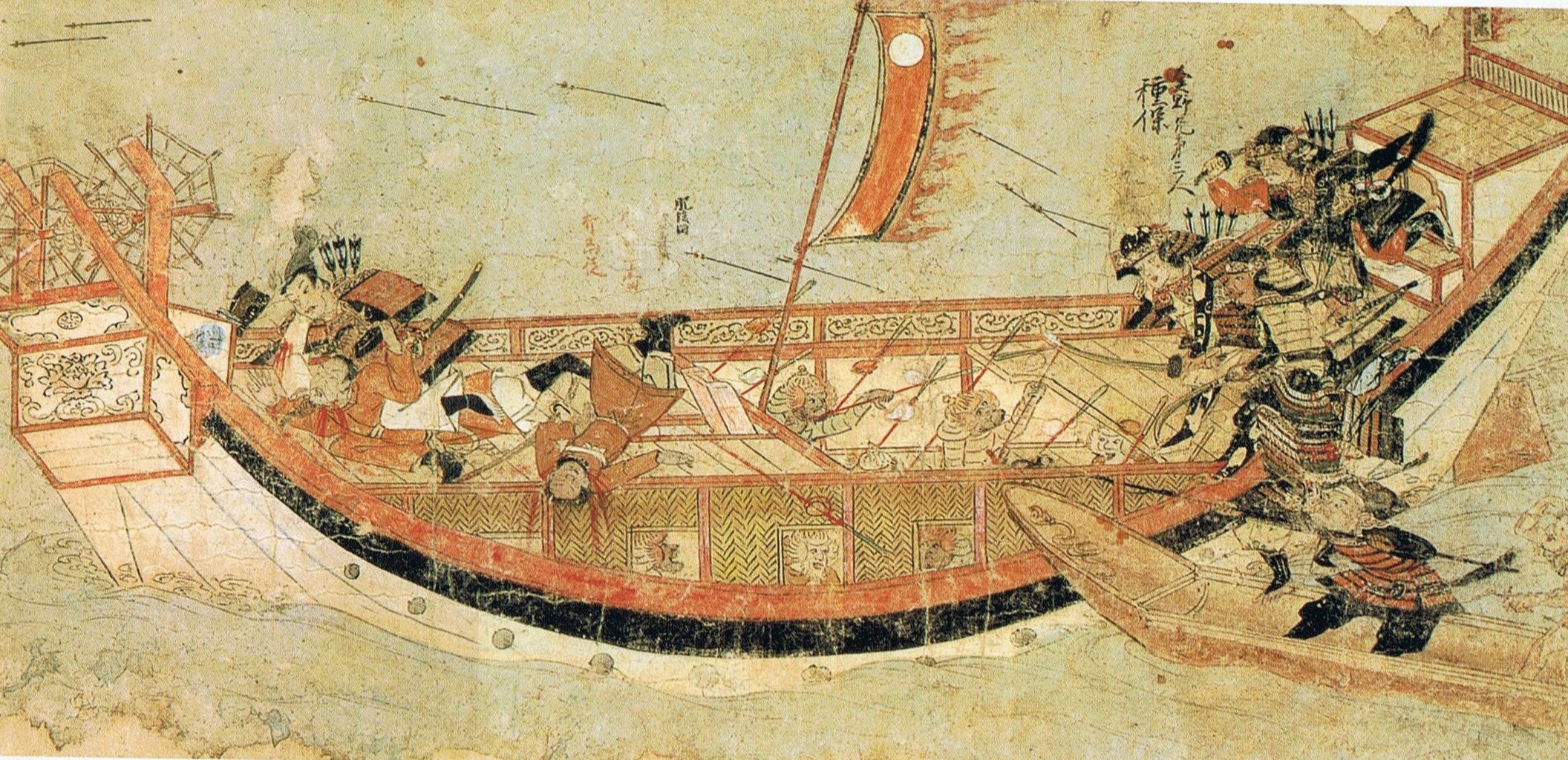
Ghost of Tsushima is set in 1274. Most of its samurai props arrived later.
Sucker Punch picked 1274 — one of the most specific years any samurai game has named — then borrowed three of Jin's most iconic moves from later centuries.
Decoded
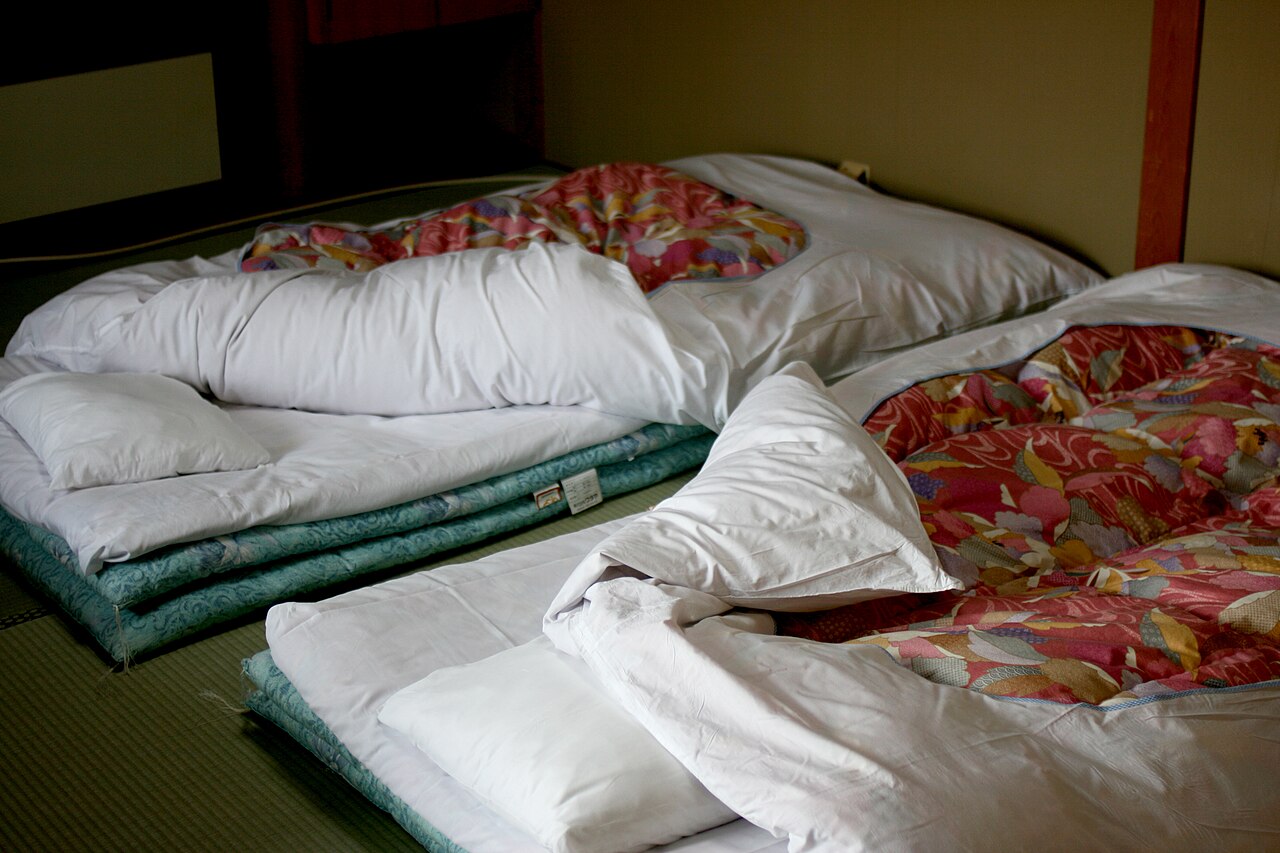
Futon — the sofa-bed your American dorm called a futon, and what that name means in Japan
An American 'futon' is a wooden-frame sofa-bed. A Japanese 布団 is a thin mattress that lives in a closet and rolls out onto the floor for the night. Both are real things. The name traveled; the object didn't.
Decoded
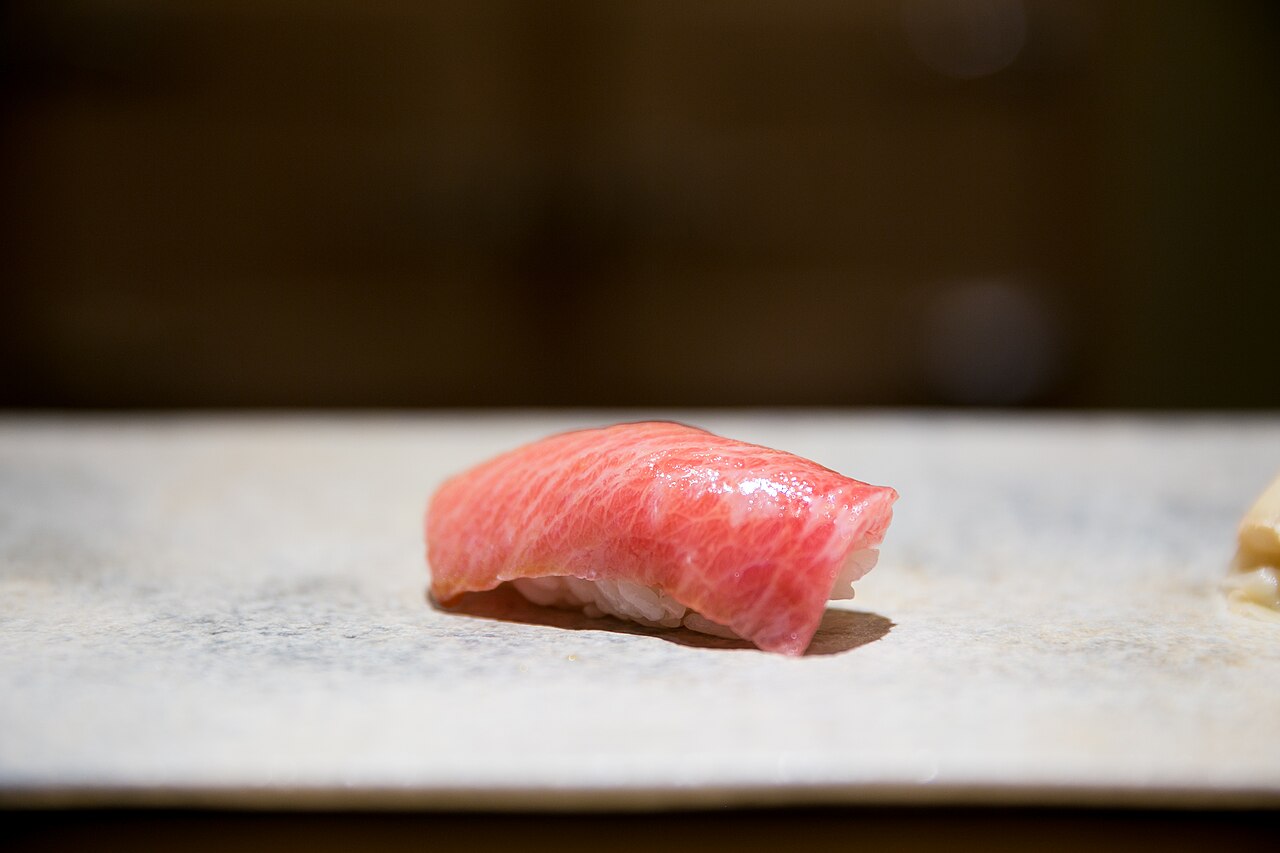
California Roll vs Sushi — what your local sushi place is actually serving you
The California Roll is an American invention from 1960s Los Angeles. The Japanese sushi (寿司) family it borrowed its name from is broader and built around vinegared rice in many forms.
Decoded
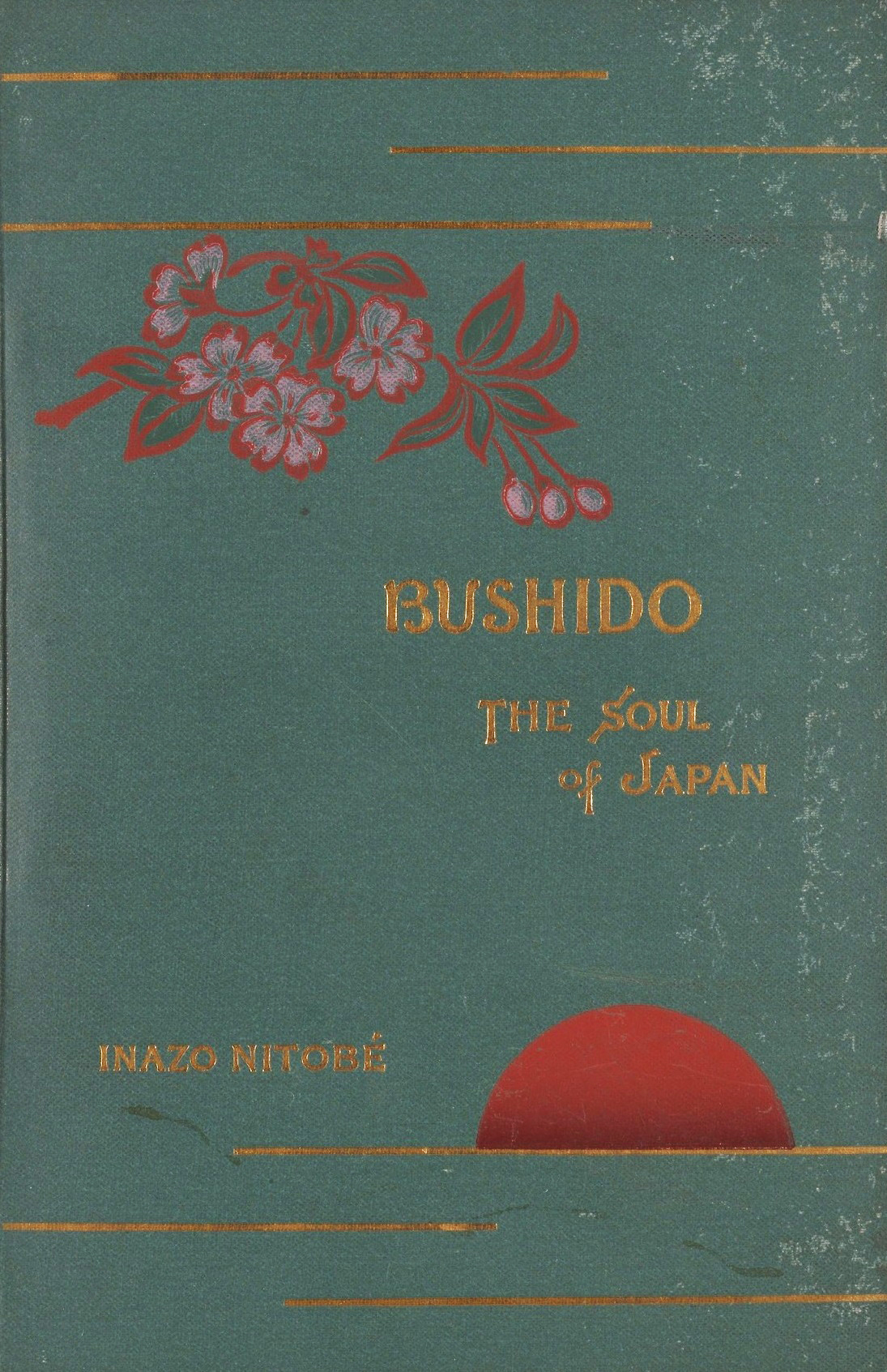
Bushido as the West knows it was written in English in California in 1899
Bushido as the West knows it — the seven virtues, loyalty unto death — was written in English in California in 1899, published in Pennsylvania in 1900, then translated into Japanese eight years later.
Decoded
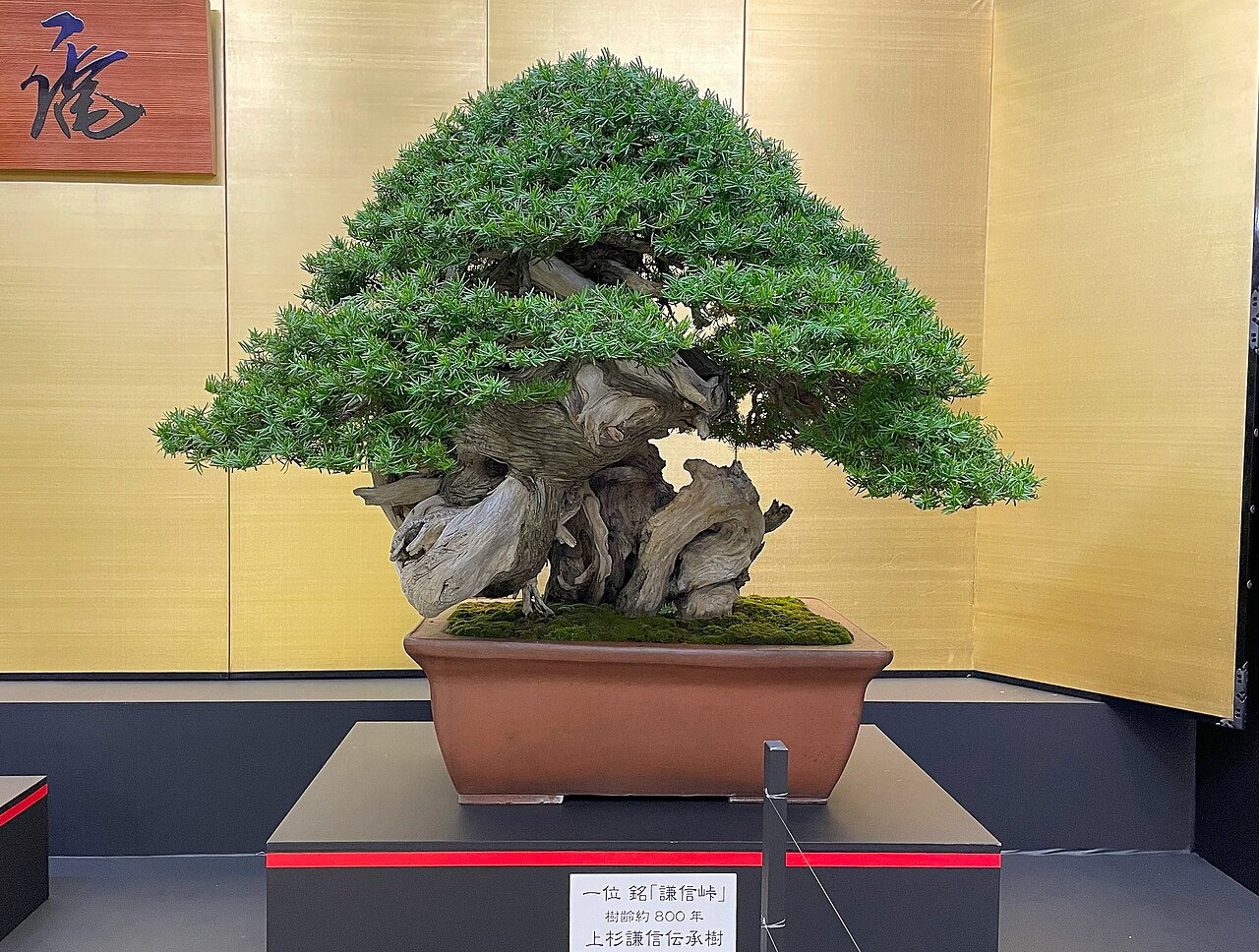
Bonsai — the small potted tree at the garden center is not what's meant by 盆栽
The 'bonsai' at the garden center is its own thing — a small potted tree as houseplant. 盆栽 in Japan is a sculptural practice measured in decades. Both exist; they're not the same craft.