Loading…
Reveal Japan
What the world gets wrong about Japan
Words and customs the world quietly got wrong, side by side with what they really mean in Japan.
Written by an enthusiastic friend who’s been hooked on this for a while. Not a textbook, not a travel agent.
✦ Start here
All DecodedStart here — featured Decoded
Featured Decoded
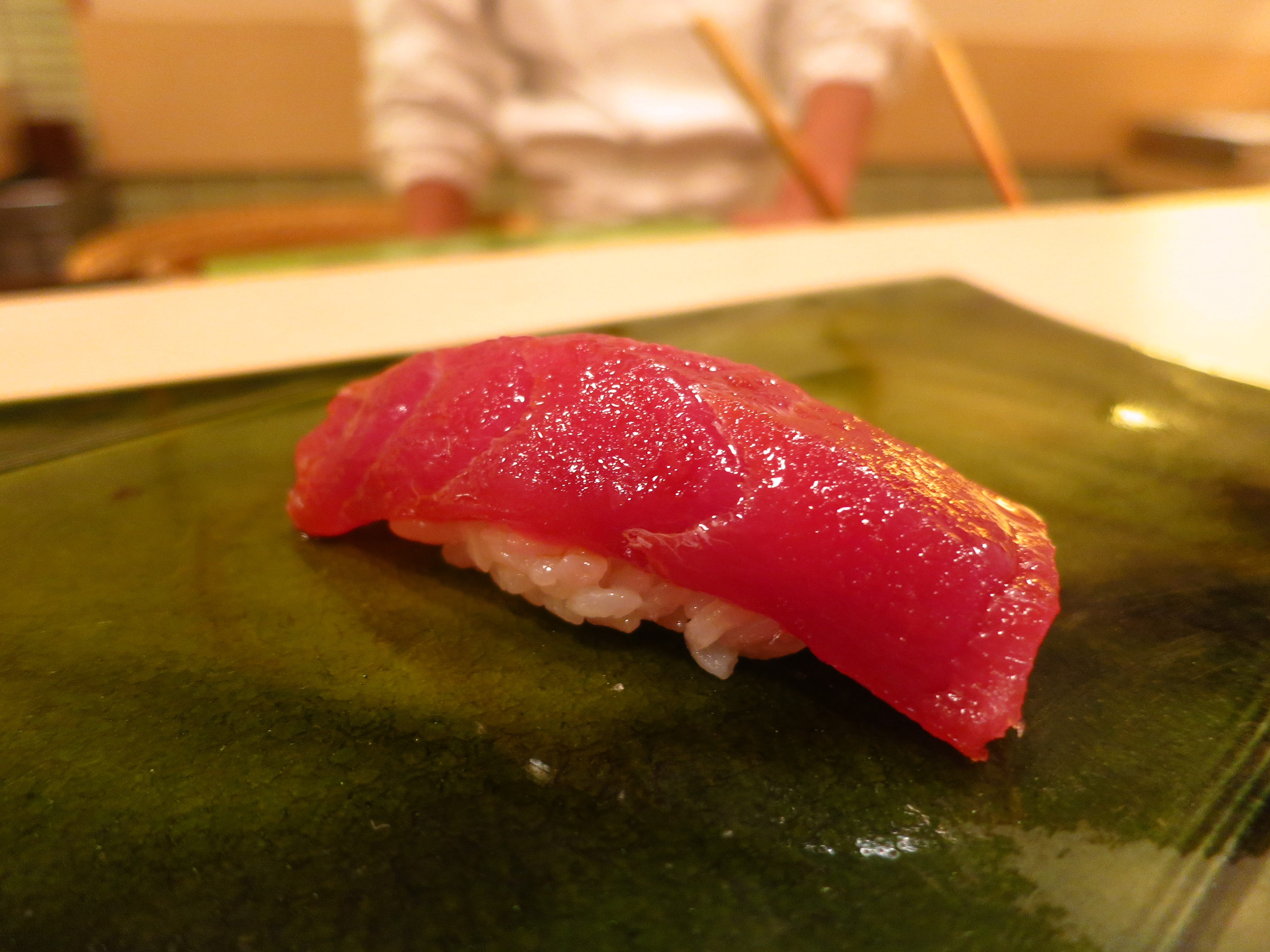
Sushi — the Japanese dish where the rice is the work, not the fish
Sushi is rice, not fish. The 200-year-old hand-pressed nigiri form is built around *shari* — vinegared rice the chef has been adjusting for hours.
Read the decoding →
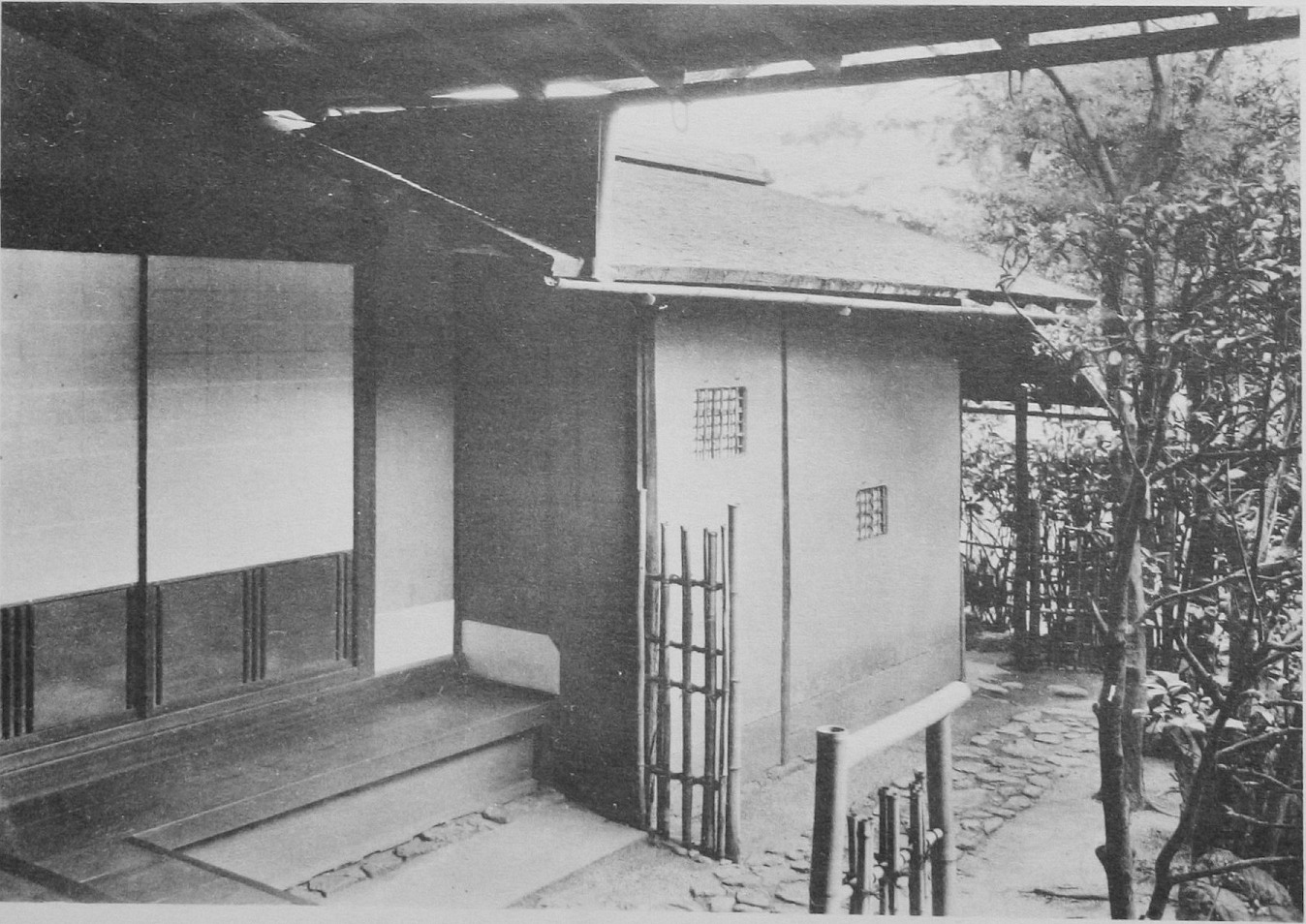
Wabi-Sabi — the Bobby Hill rose your TikTok feed went viral over, and the two-mat tea room it was actually named for
Your TikTok 'it's got wabi-sabi' trend traces to a 2002 cartoon. The thing it borrowed the name from is a tea-room aesthetic forged by a man Hideyoshi later forced to commit seppuku.
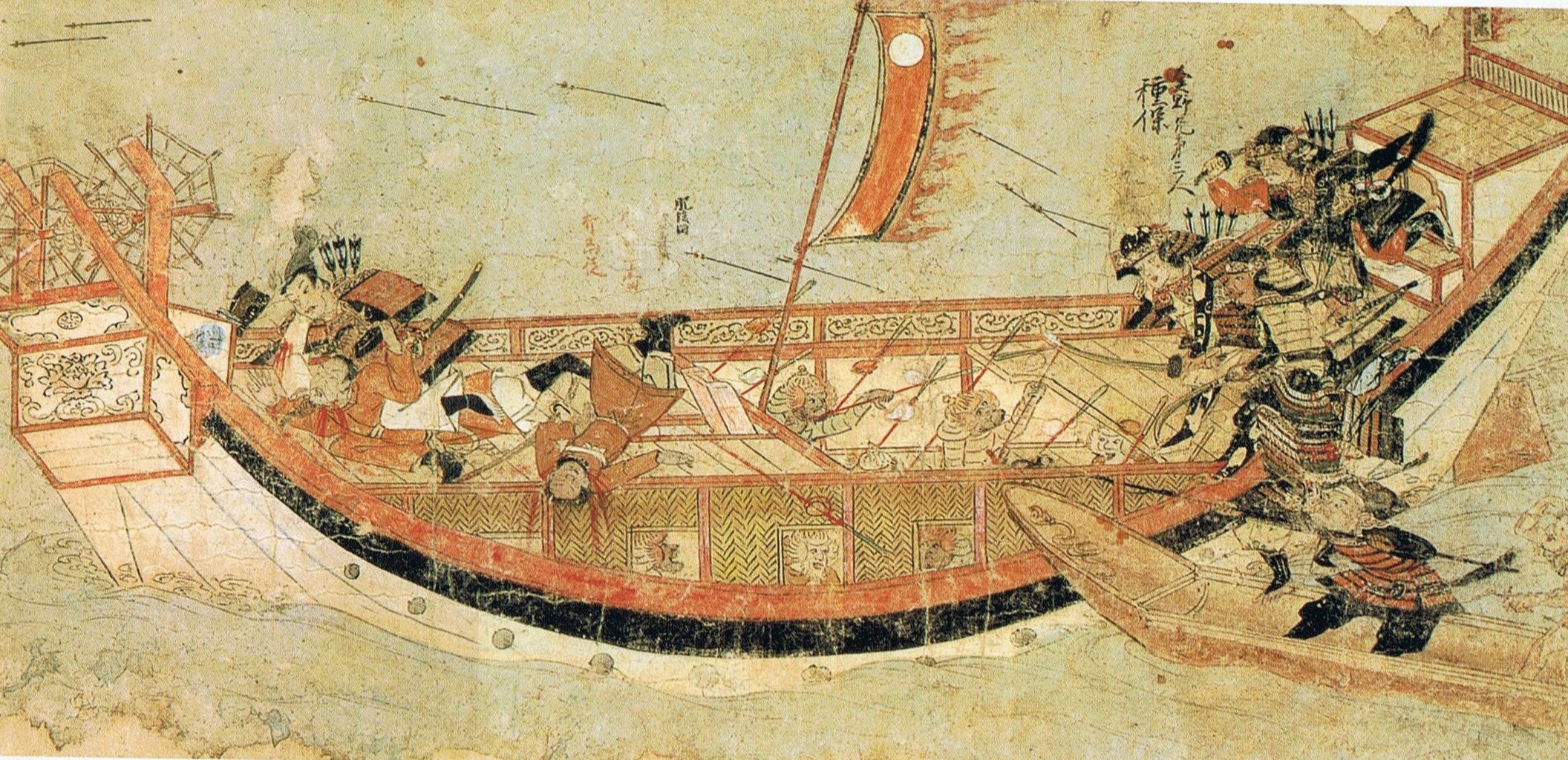
Ghost of Tsushima is set in 1274. Most of its samurai props arrived later.
Sucker Punch picked 1274 — one of the most specific years any samurai game has named — then borrowed three of Jin's most iconic moves from later centuries.
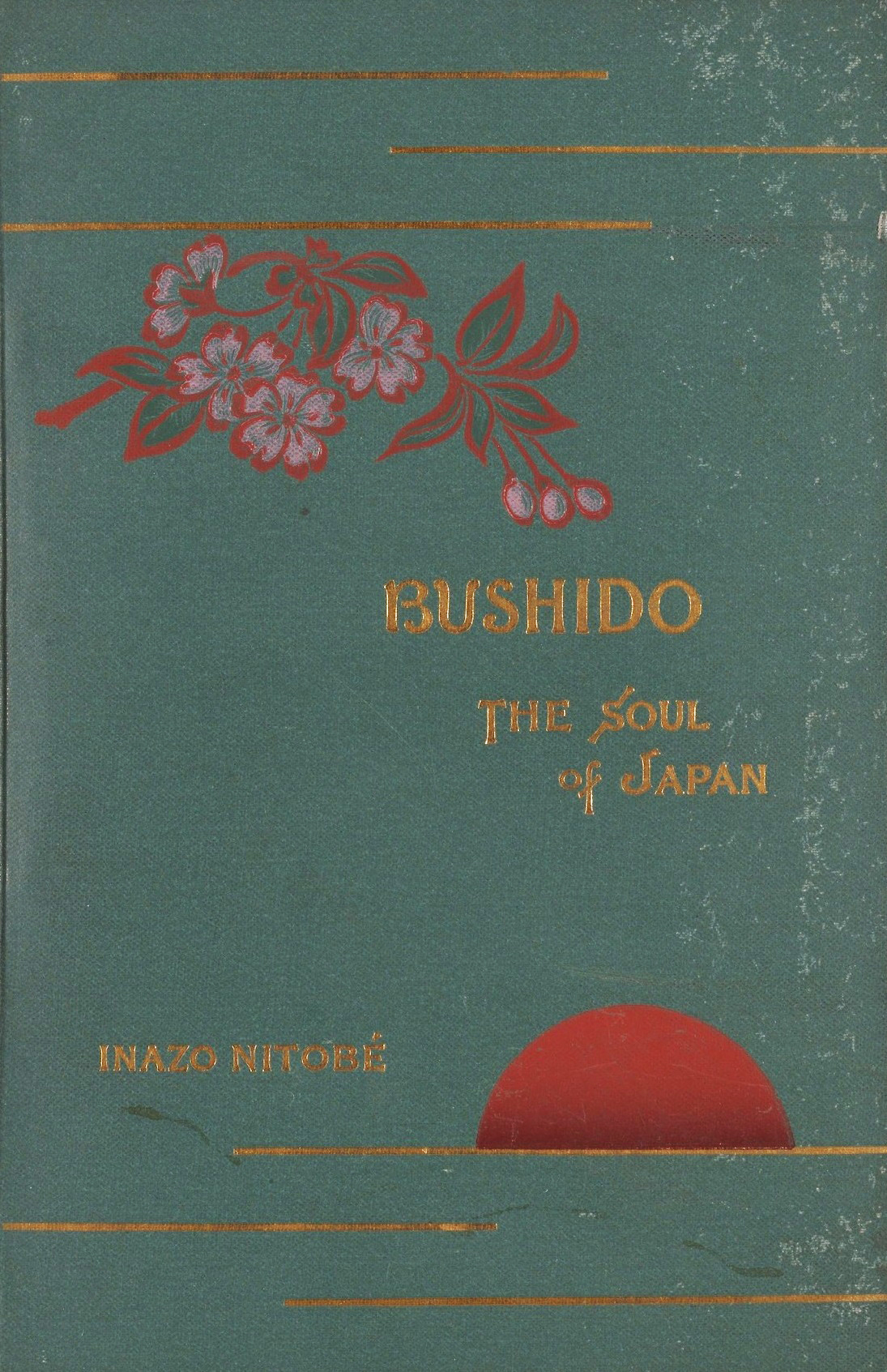
Bushido as the West knows it was written in English in California in 1899
Bushido as the West knows it — the seven virtues, loyalty unto death — was written in English in California in 1899, published in Pennsylvania in 1900, then translated into Japanese eight years later.
On the map — real Japan, globally
Open the full mapHand-verified spots — abroad and in Japan — where the real thing still lives. No directory of everything that calls itself “Japanese.”
Knives · Japan
Aritsugu Tsukiji
Tokyo, Japan
Founded 1918 in Tokyo's Tsukiji district, Aritsugu supplies professional knives and stones to the Tsukiji and Toyosu fish markets — the trade workhorse, not the Kyoto namesake.
Wasabi · Japan
Daio Wasabi Farm (大王わさび農場)
Azumino, Nagano, Japan
Japan's largest wasabi farm in the Azumino plain, where you can see real Wasabia japonica grown in spring-fed mountain water — a stark contrast to the green horseradish paste sold abroad.
Ramen · Europe
Ippudo London
London, UK
Hakata Ippudo's London branch in Saint Christopher's Place — bringing Kyushu-style tonkotsu ramen to central London.
Cultural Institution · North America
Japan House Los Angeles
Los Angeles, USA
An official cultural institution funded by the Government of Japan, featuring rotating exhibitions of authentic crafts, design, and cuisine on Hollywood Boulevard.
Editor’s pick — across the site
All essays- Sake — how to read the label, and what *daiginjo* actually means on a Japanese bottle
On a sake bottle, the smaller the number, the more rice was destroyed to make it. That's the premium signal.
- Arigato Gozaimasu Meaning — the Japanese 'thank you' that literally means 'rare to exist'
Arigato literally means 'rare to exist.' Japan's standard 'thank you' is rooted in 'what you've done for me is rare and precious' — here's how the etymology shapes daily use.
- Hanami — the Japanese national ritual of sitting under temporarily-blooming trees, on purpose, with friends
Japan plans its early-April calendar around a flower that blooms for one week. The whole country gathers under it on purpose.
- Tatami — the Japanese floor where an entire household actually lives
The Japanese floor where the whole household actually lives — built to last fifty years of being lived on.
Decoded terms · start here
All termsHow to use Japan
All how-tosThe toilet panel, the kotatsu, the meal-ticket machine. Plain steps for the things nobody bothers to explain.
Stay curious
New articles drop on no fixed schedule, but always with the same intent: long-form, primary-sourced, native-checked. Pick whichever way to keep up:
RSS feed
Open the feed in Feedly / NetNewsWire / your reader of choice.
Newsletter
One Japan myth, decoded — straight to your inbox. No spam, unsubscribe anytime.
New here? Read why this site exists — what we’re trying to do, and what we won’t.